
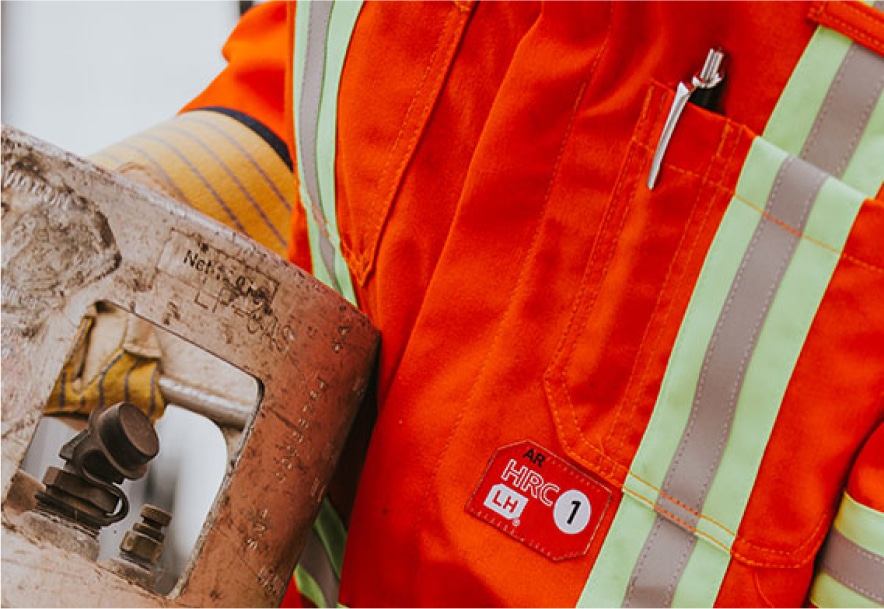
HIGH VISIBILITY
CSA Z96
The high visibility standard helps protect workers effectively by adding reflective strips to garments. These high-performance strips allow workers to do their jobs while remaining highly visible and safe.
FLASH FIRE
CAN/CGSB-155.20 (CANADIAN GENERAL STANDARDS BOARD)
The flash fire standard requires textile manufacturers to follow strict protocols. Fabrics undergo various flammability tests, both before and after 50 wash cycles. To be considered flame-resistant, fabrics and garments must protect the skin for at least 3 seconds and self-extinguish in under 2 seconds. To conduct these tests, sensor-equipped mannequins are exposed to temperatures reaching 800 degrees Celsius.
WILDLAND FIREFIGHTING
CAN/CGSB-155.22 (CANADIAN GENERAL STANDARDS BOARD)
Forestry workers face intense wildfires made especially dangerous by radiation and extreme heat. They need to be protected by fabrics and textile assemblies that offer a high percentage of heat-blocking factors (HBF).

Electric arcs
CATEGORIES 1 AND 2 – CSA Z462
Electric arcs can generate heat exceeding 16,000 degrees Celsius in just one second. It is therefore essential to comply with current standards using protective gear designed to resist tears caused by such arcs.

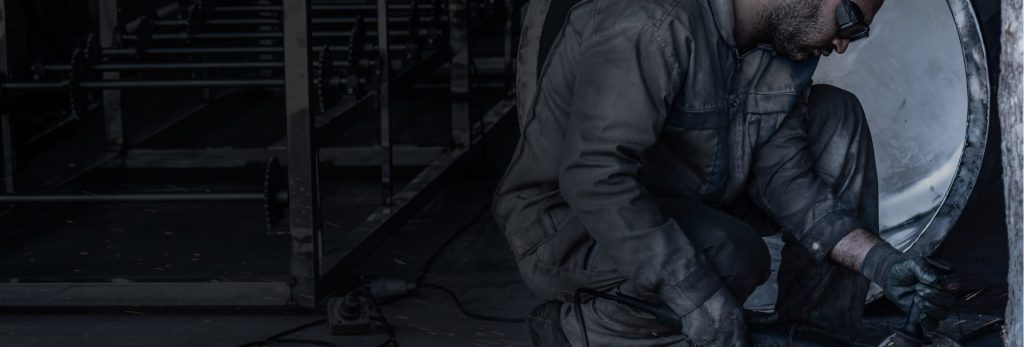
WELDING GARMENTS
CLASS 1 AND 2 – ISO 11611 AND ISO 11612
Recently introduced in Québec’s welding industry, this protective standard against molten metal is a first in North America.
